Your Guide to Buying Oceanfront Lauderdale By The Sea Condos
March 5, 2026
March 5, 2026
Waking up to the Atlantic outside your window is easy to picture. Choosing the right Lauderdale-by-the-Sea oceanfront condo that fits your lifestyle and budget can feel less simple. In this guide you will learn how the town’s low-rise character shapes your options, which buildings to put on your shortlist, how to check HOA health, new structural rules, insurance, and what to know about short-term rentals. Let’s dive in.
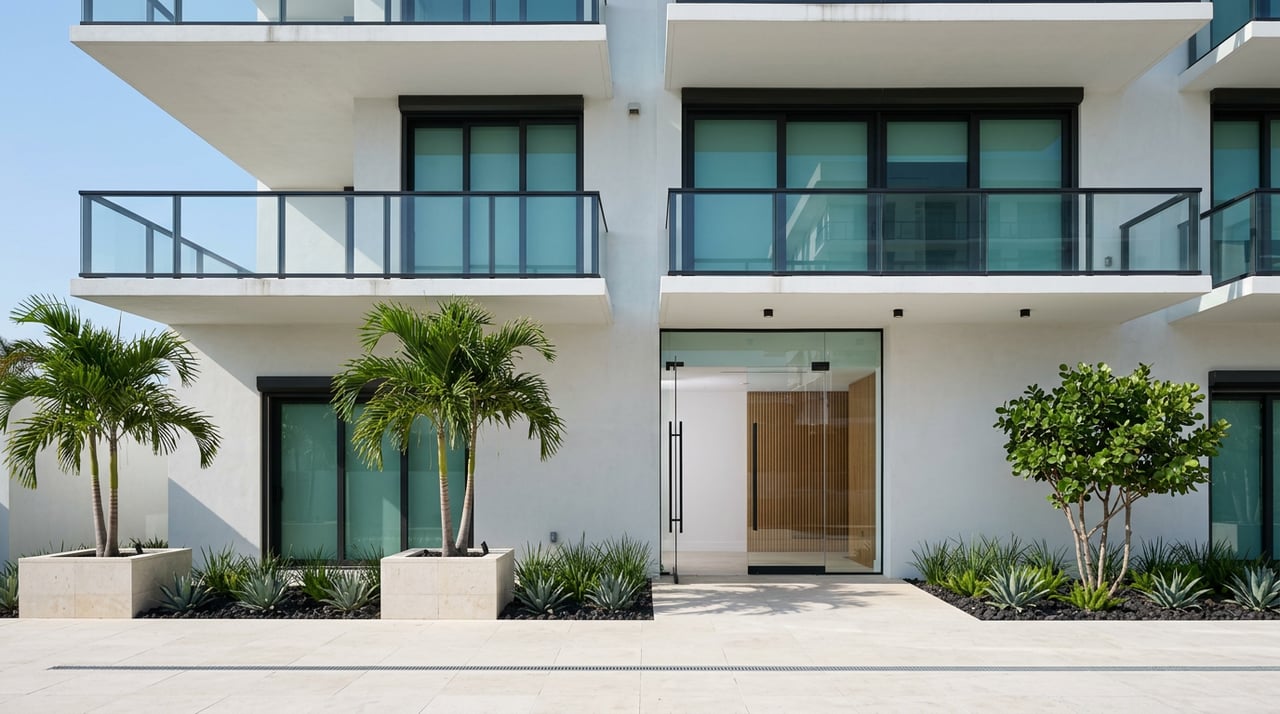
Lauderdale-by-the-Sea is a small beach town east of the Intracoastal with a clear preference for low and medium-rise buildings in many residential zones. Several districts limit structures to about two or three stories, with a handful of mid and high-rise oceanfront buildings along Ocean Boulevard. This creates a quieter skyline and a more relaxed, beach-town feel compared with bigger markets nearby. You will find boutique towers and resort-style complexes instead of long lines of ultra-high-rises. Town zoning language confirms the low-rise emphasis.
What this means for you: the buyer pool often includes seasonal owners who value walkability and beach access over an urban high-rise lifestyle. Inventory tends to be more curated and building-by-building, which makes doing your homework on each association essential. Prices, HOA dues, and rental flexibility vary widely by building age, amenity level, and governance.
Start by matching your lifestyle to a building type, then verify each association’s rules, reserves, and insurance details before you write an offer. Here are representative categories and example buildings to help you frame a shortlist. Always confirm specifications and current HOA figures in the association package.
Before you commit, verify the year built, scope of recent restorations, current HOA range for comparable floor plans, and the rental policy in writing. Ask for the latest budget, reserve schedule, and any special assessment notices. These items change over time and directly affect monthly costs and resale value.
Lauderdale-by-the-Sea requires a local Short-Term Vacation Rental Certificate, safety inspections, and a Business Tax Receipt for transient rentals. You must designate a 24-hour local contact who can respond on-site quickly, prove state DBPR licensing for transient advertising, and register for state and county taxes. Do not advertise a unit as a short-term rental until local and state approvals are in place. The Town’s application outlines the steps and safety standards in detail; review the Short-Term Vacation Rental application packet.
Even if the Town and state allow short-term rentals, your condominium may limit or prohibit them. Declarations often set minimum lease terms, owner-occupancy rules, caps on the number of rentals, and waiting periods after purchase. Before you underwrite any rental income, obtain written confirmation from the association that your intended rental strategy is permitted and learn the building’s registration process, if any.
Florida now requires a Structural Integrity Reserve Study (SIRS) for condominium buildings that are three habitable stories or higher, with updates at least every 10 years. Ask whether the SIRS was completed, who prepared it, and whether the current budget reflects its recommendations. The statute also addresses reserve funding for structural components identified in the SIRS, which can impact dues and assessments. See the SIRS and reserve requirements in Florida Statute 718.112.
Many buildings are subject to milestone or recertification inspections as they age. If your target building reached the milestone age or was called for recertification, request the full report, required repair list, timelines, and how the work will be funded. These inspections often drive special assessments or association loans. Treat them as central to your offer strategy and negotiation.
Red flags to watch for:
In Florida, the association carries a master policy that insures the building as defined in the declaration and statute. As a unit owner you typically need an HO-6 policy for interior coverage, personal property, liability, loss of use, and loss assessment. Always request the association’s certificate of insurance and declarations page so your agent can tailor your HO-6 correctly. The record-keeping and insurance obligations are outlined in Florida Statute 718.111.
Pay special attention to hurricane and wind deductibles. Many association policies use percentage-based deductibles that, when triggered, can lead to owner assessments for your share. Ask about current deductible levels and consider adding loss-assessment coverage limits on your HO-6; a practical primer on this owner exposure is available here: loss assessment basics for condo owners.
Flood insurance is a separate policy. Rising water and storm surge are not covered by standard HO-6 policies, and many oceanfront buildings sit in FEMA Special Flood Hazard Areas. Request the building’s Elevation Certificate and confirm flood zone and base flood elevation before underwriting costs. Review FEMA’s flood insurance basics to understand terms and coverage.
Broward County is within Florida’s High-Velocity Hurricane Zone. Replacements of windows and other envelope components must use HVHZ-approved products, and documented wind-mitigation features can influence insurance credits. This also means window, balcony, and roof work are big-ticket items that should appear in the SIRS or reserve schedule. For background, see the Florida Building Code HVHZ reference.
Market conditions matter. Industry reporting shows association policy premiums have risen sharply in recent years, which can drive HOA increases and special assessments in older buildings. When you review budgets, ask what changed at the last renewal and whether the board anticipates further adjustments. A summary of recent condo-association premium trends is here: condo association insurance costs doubled since 2022.
Buying an oceanfront condo in Lauderdale-by-the-Sea rewards a careful, building-specific approach. Match your lifestyle to the right property type, then let the documents tell you the real story on reserves, safety, insurance, and rental flexibility. With a tight shortlist and a disciplined review, you can enjoy the beach-town lifestyle and protect your investment.
If you want a private, concierge-level search with on- and off-market options, connect with Vicki Annecca for a one-on-one consultation.
Stay up to date on the latest real estate trends.
Our hallmark is providing clients with first-class personalized service and a dedication to place their ultimate satisfaction above all else. We look forward to the opportunity of representing you for all your individual real estate needs!