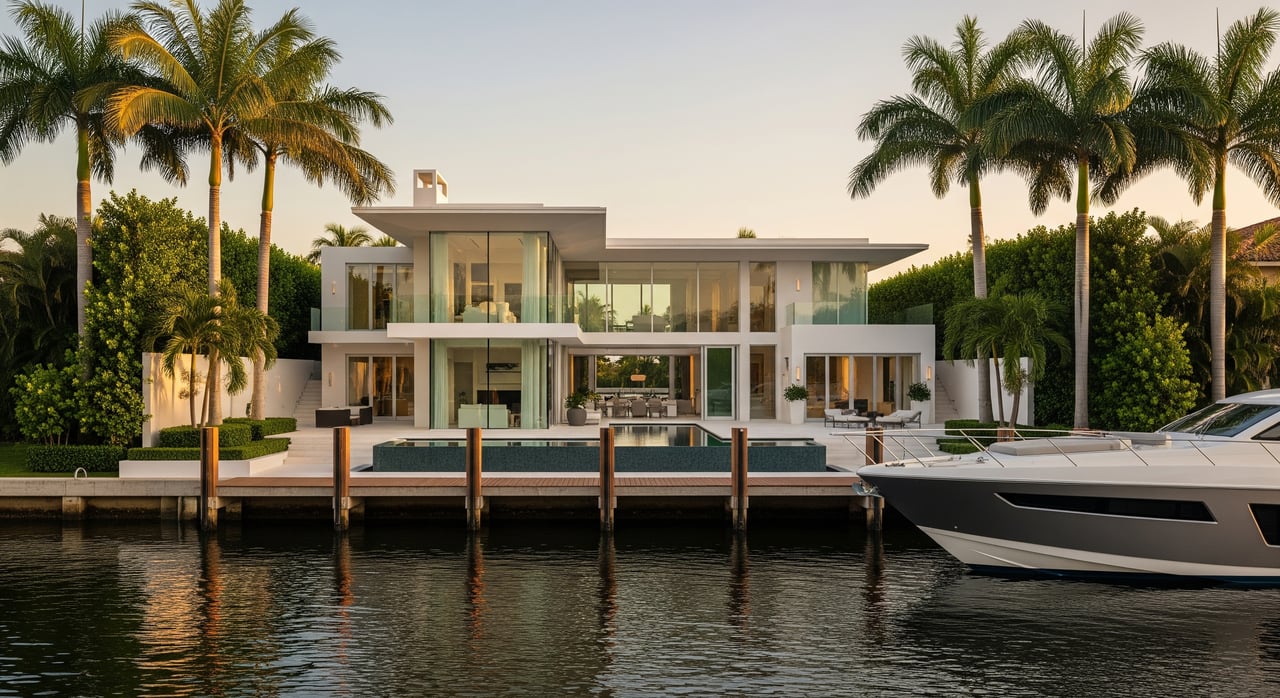
How to Price Luxury Waterfront Homes in Fort Lauderdale
January 15, 2026
January 15, 2026
If you own a one-of-a-kind waterfront home in Coral Ridge Country Club, you already know pricing is not as simple as pulling a few comps. Waterfront value lives in the details that most spreadsheets miss, from canal width and bridge clearance to seawall life and privacy. You want a price that reflects rarity, attracts the right buyers, and sets you up for a smooth closing.
In this guide, you will learn how to translate your home’s specific water access, features, and condition into a pricing strategy that works in Fort Lauderdale’s luxury market. You will also see the due diligence to complete, the appraisal methods to consider, and the marketing approach that brings qualified buyers to the table. Let’s dive in.
Lineal footage is the length of your lot along the water. Buyers and brokers use it as a core metric, and more usable feet usually increases value. The premium can taper if the canal is narrow or the view is limited, so footage is one piece of a bigger picture. Confirm your exact measurement with a recent survey and note any easements or intrusions that affect usable dockage.
Wider, deeper canals support larger boats and offer better sight lines, which many buyers prefer. If the route to the Intracoastal Waterway requires passing under fixed bridges, vertical clearance matters for boat owners. Tidal patterns and currents also affect docking ease and safety. Document the typical route to the ICW, including bridge clearances and any shallow spots that limit draft.
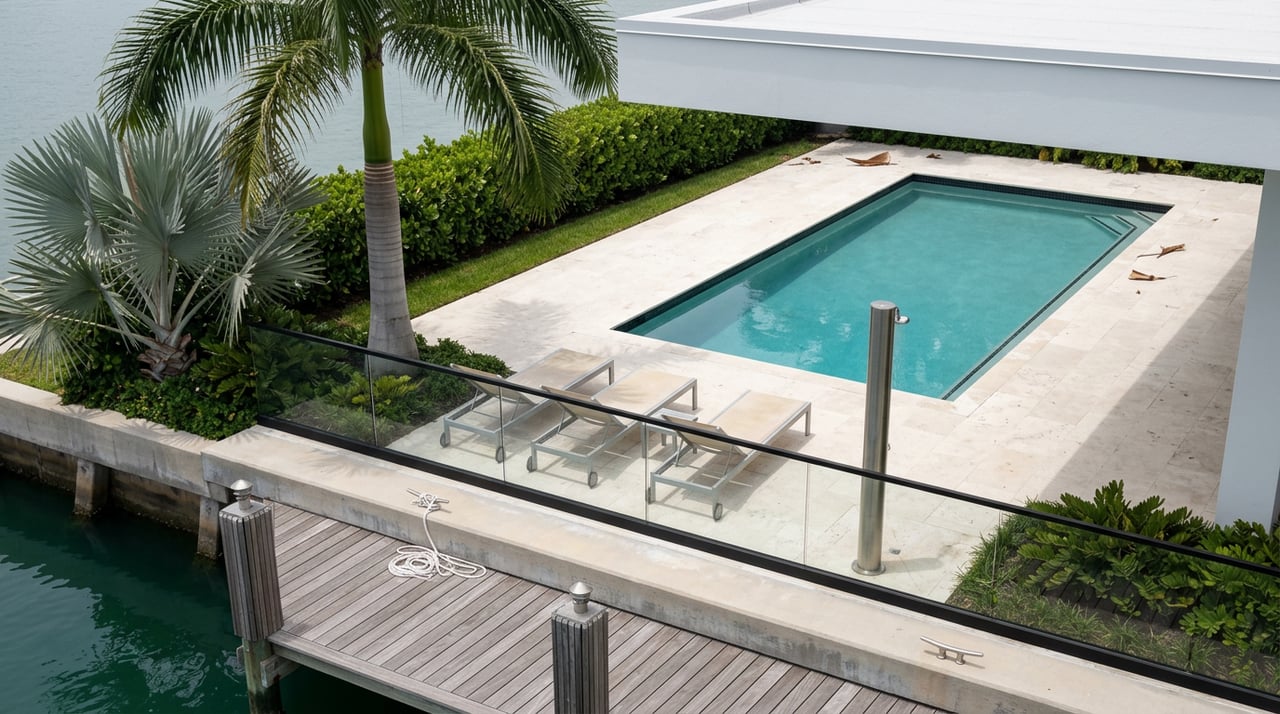
A permitted, code-compliant dock and a modern lift add functional value and reduce buyer uncertainty. Seawalls are a major capital item, so buyers will weigh age, condition, and remaining life. If you repaired or replaced components, gather permits and invoices. If structures were added without permits, expect price pressure or plan to resolve documentation before listing.
Open water vistas, wider canal views, and unobstructed southerly exposure often command a premium. Privacy, including the distance to neighboring docks and the presence of mature landscape buffers, can also influence value. Photograph and describe these qualitative advantages clearly, since they do not always show up in standard MLS fields.
A larger lot with a generous buildable footprint increases flexibility for additions, outdoor living, and future value. Local zoning and setbacks in Fort Lauderdale guide what you can expand or rebuild. Before pricing, understand any constraints that could limit a buyer’s vision.
Turnkey homes with contemporary finishes, impact-rated windows, updated roofs, and elevated mechanicals appeal to a broader luxury pool. Salt air can accelerate wear, so deferred maintenance on roofs, HVAC, or electrical systems affects value and negotiation power. If you have invested in maritime-grade materials, call that out, since buyers recognize the long-term savings.
A custom design or notable architecture can attract a premium among lifestyle-driven buyers. At the same time, unique homes reduce the pool of true comparables, which introduces pricing uncertainty. The goal is to present your property’s uniqueness as an asset while acknowledging the narrower buyer segment and calibrating price accordingly.
Luxury waterfront demand in Coral Ridge Country Club is driven by several buyer groups, including local owner-occupiers, South Florida move-up buyers, second-home buyers from out of state, and international buyers. Live-aboard and high-performance boat owners form niche segments with specific navigability needs. Scarcity of wide-canal parcels with direct or easy ICW access can amplify pricing power.
High-end waterfront pricing is sensitive to interest rates and broader luxury trends. For unique homes, even small shifts in demand can move prices more than you might expect. Boutique marketing that reaches the right networks can tighten days on market and support stronger offers.
Your FEMA flood zone and elevation certificate influence insurance requirements and premiums. Base Flood Elevation is a key factor for lenders and buyers, especially for older homes. Have your elevation certificate and any flood mitigation upgrades ready to share.
Lenders and buyers are paying closer attention to long-term coastal risk. Sea-level rise and storm surge exposure can shape underwriting and buyer preferences for elevation and mitigation. If you have resilience features, such as raised equipment or flood vents, include them in your disclosures.
Waterfront work often involves city, county, and state oversight, and in some cases federal review. Make sure your dock, lift, and seawall permits are current and complete. If your shoreline improvements could affect protected habitats, understand any restrictions or mitigation requirements before listing.
Florida Building Code standards for wind and hurricane resilience influence renovation costs and may unlock insurance credits. Features like impact glass, roof tie-downs, and elevated electrical systems can reduce risk and appeal to buyers who prioritize turnkey safety.
Broward County property appraiser records show assessed value and tax history. Primary residents who qualify for homestead can receive exemptions and limits on assessment increases. Second homes and investment properties do not receive the same benefits, so make sure buyers understand current taxes versus what they might pay.
The Sales Comparison Approach is the primary method for residential waterfront homes. For unique properties with few comps, it requires careful adjustments for lineal footage, canal characteristics, dock and seawall condition, views, and renovation level. The Cost Approach helps when land value is a large share or construction is new. The Income Approach may be useful if the property is used as a rental, though it is less common for owner-occupied luxury homes.
Start with recent Coral Ridge Country Club waterfront sales. When direct comps are limited, expand to nearby neighborhoods with similar canal width and access, and be transparent about differences. Adjust comparables for waterfront feet, usable dockage, canal width and depth, seawall age, orientation and view, lot size, renovation level, and time on market.
Your pricing strategy should reflect your objective. If you want a quicker sale, price near the heart of the comp-adjusted range and highlight your strongest water and condition attributes. If you aim to maximize value, anchor confidently but avoid an aggressive premium that creates long days on market. Offer clear technical disclosures to reduce buyer uncertainty and support your ask.
Serious buyers for unique waterfront homes expect clarity. Prepare a complete packet that includes a recent survey, elevation certificate, dock and seawall permits and inspection reports, roof and mechanical invoices, and any structural or termite reports. If applicable, include HOA or club covenants and any deed restrictions.
Target improvements that reduce friction and highlight lifestyle. Consider visible seawall maintenance, dock safety updates, and light exterior refreshes. Use professional photography and drone footage to showcase orientation, canal width, and the route to open water. Larger projects, such as full seawall replacement, require a return-on-investment analysis. In some cases, it is smarter to price as-is and let the buyer complete the work.
Unique homes deserve more than a generic listing. A boutique, concierge approach that combines neighborhood expertise with targeted luxury distribution can reach the precise buyer who understands your asset. Strategic storytelling, high-end visuals, and direct outreach to qualified local, domestic, and international buyers can shorten timelines and support premium pricing for scarce waterfront offerings.
If you want a discreet, data-forward valuation for your Coral Ridge Country Club waterfront home, let’s have a conversation. You will get a clear comp set, transparent adjustments, and a tailored go-to-market plan designed for qualified buyers who value boating, views, and privacy. Request a private consultation with Vicki Annecca to get started.
Stay up to date on the latest real estate trends.
Our hallmark is providing clients with first-class personalized service and a dedication to place their ultimate satisfaction above all else. We look forward to the opportunity of representing you for all your individual real estate needs!