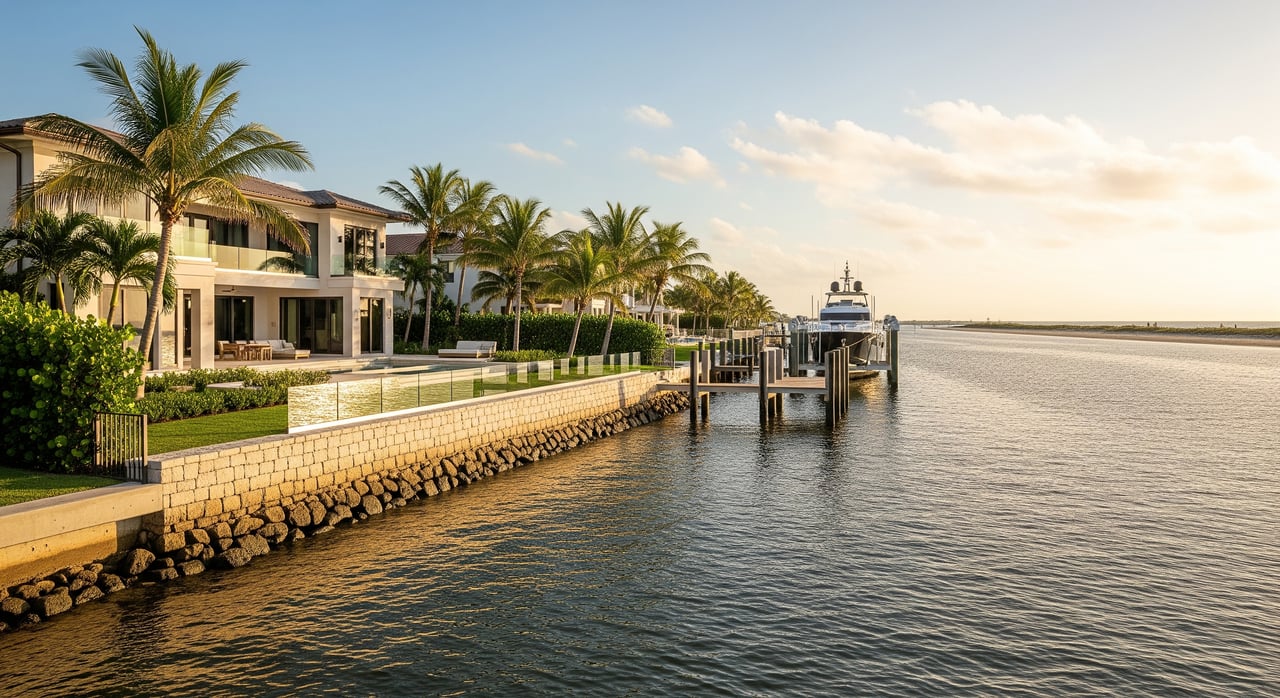
Fort Lauderdale Waterfront Lot Types in Harbor Beach
December 4, 2025
December 4, 2025
Dreaming of docking your boat behind your Harbor Beach home but not sure which waterfront lot fits your lifestyle. You are not alone. In this pocket of Fort Lauderdale, lot type shapes everything from privacy to yacht size and future permits. In this guide, you will learn how point, mid-canal, corner, and basin-adjacent parcels differ, plus what to know about canal width, depth, dockage, and regulations so you can buy with confidence. Let’s dive in.
Harbor Beach sits on a barrier island in Fort Lauderdale, with oceanfront, Intracoastal, and canal-front homes. The neighborhood is minutes from the Intracoastal Waterway and Port Everglades, which creates high demand for private dockage and deep-water access.
Tides here are modest, often under a few feet, but storm surge and flood risk are real considerations. Those coastal dynamics influence seawall design, dock engineering, insurance, and permitting timelines.
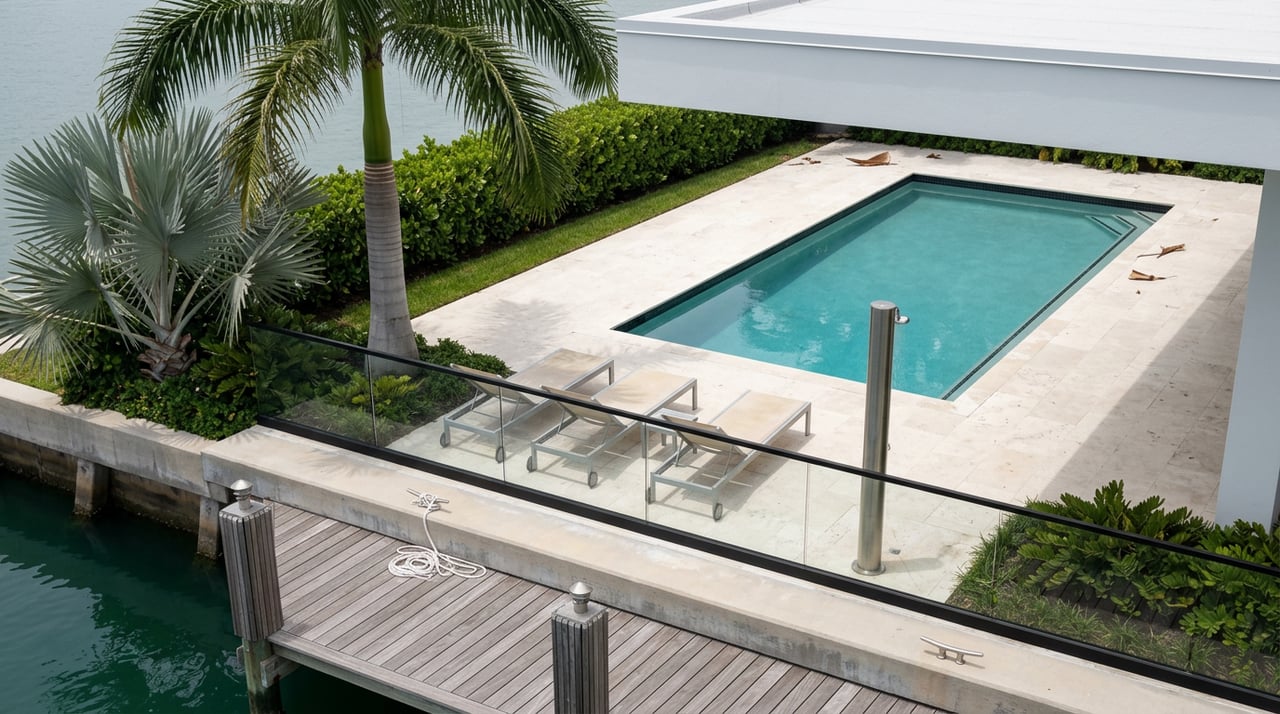
Point, or peninsula, lots extend into the water with two or more water-facing sides. You gain sweeping views, fewer adjacent neighbors, and the ability to create wraparound dockage. Many buyers choose these parcels for multiple slips or long linear dock runs.
Trade-offs include exposure to wakes from more than one direction and proximity to busier navigation lanes if the lot sits near a channel. Permitting can be more involved if work spans multiple faces of the property or, on oceanfront, where stricter coastal controls may apply.
Best for you if: you value privacy, long sightlines, and multi-vessel flexibility, and you are comfortable managing more complex marine design and permitting.
Mid-canal, or linear, lots front a single canal face in a row of similar properties. Dock placement is straightforward and often protected from cross-channel traffic. Your neighbor alignment is predictable, which can simplify planning and permitting.
You will need to respect side setbacks and neighbor dock positions, which can limit dock length and orientation. Turning room may be tighter for larger vessels, and you may feel wake from routine passing boats.
Best for you if: you prefer a quieter setting, a simpler dock layout, and a realistic boat size that fits the canal’s width and depth.
Corner parcels at canal intersections or bends offer better maneuvering room and wider views. They also see more boat traffic and wake exposure. Interior parcels are more protected and predictable but may have tighter turning space.
Best for you if: you want extra maneuvering space and can accept more traffic, choose a corner lot; if you want steadier conditions, an interior lot often suits.
A turning basin is a widened area used by vessels to turn around. Adjoining one can be a major advantage for larger yachts because maneuvering is easier and access tends to be reliable.
Expect limits on how far private docks can extend to protect navigation rights. Some basins are publicly recognized and maintained, which can help with depth, but may bring added transient traffic and noise.
Best for you if: you run a larger boat and value room to turn, and you are comfortable with navigation easements and potential activity in front of your property.
Canal geometry determines what you can safely berth and how comfortably you can maneuver.
These canals offer privacy and reduced traffic. They also require tighter turning and usually limit boat length and beam. If depth is limited, your draft may dictate boat choice.
These provide passing room for moderate boats and simpler docking. Wake impacts are manageable. Dock length still must meet setbacks and neighbor alignments.
Wider waterways accommodate larger yachts and easier docking, especially near a turning basin. The trade-off is more exposure to wakes and transient traffic.
Actual depth controls the maximum draft you can operate without grounding. Mechanical dredging to deepen water near private docks requires multiple permits and environmental review. In some areas, seagrass or water quality constraints can limit or prohibit dredging, so verify depth early.
Local codes typically require setbacks from property lines and adjacent docks to preserve safe navigation. Near the Intracoastal or a defined channel, docks must respect navigation lanes. Closer proximity to high-traffic routes means more wake, prop wash effects, and potentially heavier-duty engineering.
Saltwater accelerates wear. Expect periodic piling inspection, hardware replacement, decking upgrades, and lift servicing. Older seawalls often need repair or replacement with engineered plans and permits. Elevated or removable dock sections can reduce storm damage risk.
Several agencies typically have a say in Harbor Beach marine work. The City of Fort Lauderdale oversees local building and marine permits for docks and seawalls. Broward County provides coastal and environmental oversight at the county level. The Florida Department of Environmental Protection manages the Coastal Construction Control Line where applicable, environmental resource permits, and sovereign submerged lands. The U.S. Army Corps of Engineers handles federal permits for work in navigable waters and dredging. The Florida Fish and Wildlife Conservation Commission sets manatee protection and related speed or wake zones. FEMA maps and flood programs define flood zones and elevation requirements that can affect construction and insurance.
The exact permitting mix depends on where work occurs relative to mean high water, whether dredging is proposed, and any impacts to protected resources.
On oceanfront parcels, CCCL rules add stricter review for structure placement and renovation. Shoreline protection and dune preservation rules can shape how you design seawalls, decks, and coastal features.
Speed and wake zones reduce wake energy and can help protect docks and wildlife, yet they may affect your typical route or timing for ocean access. Manatee and seagrass protections influence piling placement, permitted lift types, and propeller activity.
Barrier-island properties are commonly in higher-risk flood zones. Elevation, construction type, and claim history influence both flood and windstorm coverage. Marine choices, like reinforced dock structures or seawall upgrades, can support resilience and may be viewed favorably when you evaluate risk.
Use this checklist to align your boating lifestyle with the parcel type.
A corner or point lot near a turning basin offers generous turning room and long dock frontage. You may accept more traffic and wake in exchange for convenience and flexible mooring.
A mid-canal interior lot can provide calmer conditions and predictable neighbor relationships. Confirm that canal width and depth fit your vessel and that setbacks allow your preferred dock layout.
An oceanfront point lot provides unmatched views and beach access, with stricter coastal controls. Plan early for CCCL review, storm-hardened design, and elevated construction standards.
If we were at the kitchen table, here is what we would sketch together to make this simple:
When you compare Harbor Beach parcels through this lens, the right choice becomes clear. You align the lot type, canal geometry, and permit path with your boating needs and privacy goals, then design a dock plan that will stand up to the coastal setting. If you want a trusted local sounding board and discreet access to opportunities on and off market, connect with Vicki Annecca for a private consultation.
Stay up to date on the latest real estate trends.
Our hallmark is providing clients with first-class personalized service and a dedication to place their ultimate satisfaction above all else. We look forward to the opportunity of representing you for all your individual real estate needs!